Recent Posts
How to Shoot Informal Tech Events (Without Making Them Look Like Events)
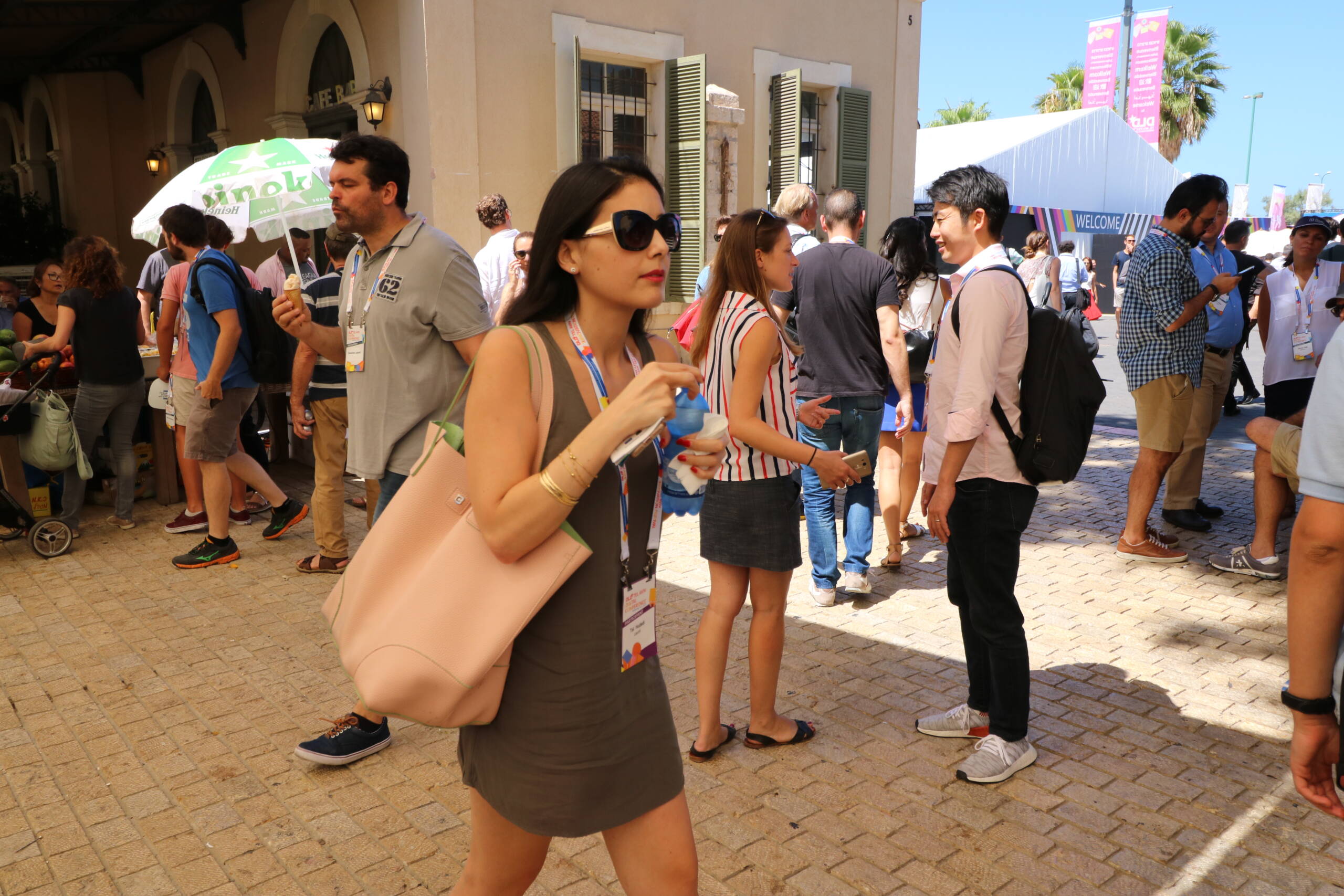
These photos tell you almost everything you need to know, if you pay attention to what they don’t do. Nobody is posing. Nobody is centered perfectly and smiling at the lens. People are mid-call, mid-step, mid-thought, holding drinks, checking phones, drifting in and out of conversations. In the first frame, the woman in sunglasses stands alone for a second, slightly off-balance in the composition, phone to her ear, badge hanging loosely, sunlight cutting across the pavement in irregular shapes.
read more
The Telescopic Effect: How Canon’s Crop Mode Visually Extends Your Lens Reach
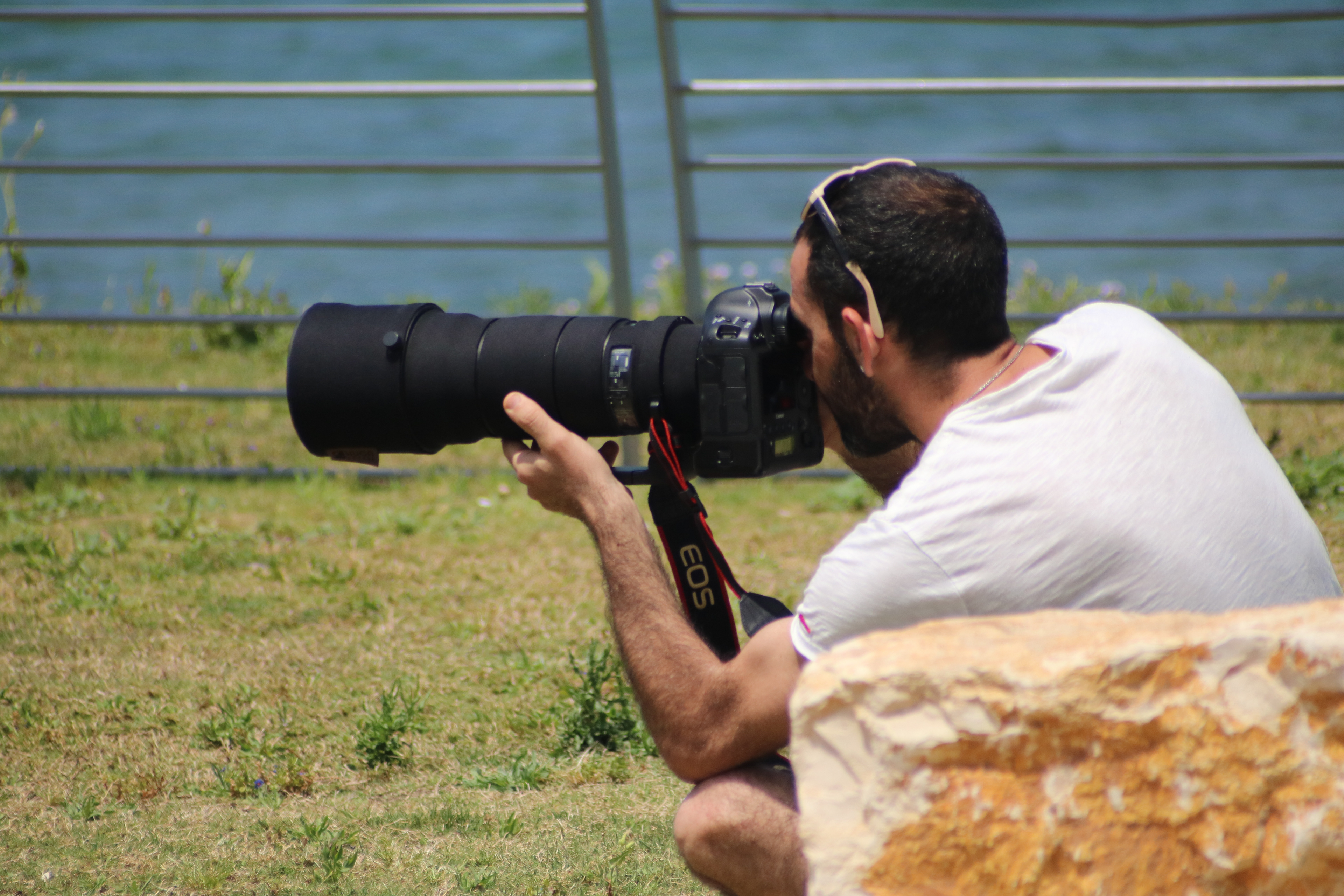
Canon’s crop mode is often introduced through numbers—crop factors, megapixels, percentages—but that framing misses what photographers actually feel when they flip it on. The defining experience is visual. The moment crop mode is engaged, the viewfinder tightens, distractions fall away, and the subject steps forward with a confidence that feels unmistakably telephoto. Nothing about the lens changes, no digital zoom is applied, yet the camera behaves as if the focal length itself has grown.
read more
The Photographer as the Brand: Fashion, Influence, and the Quiet Power Shift
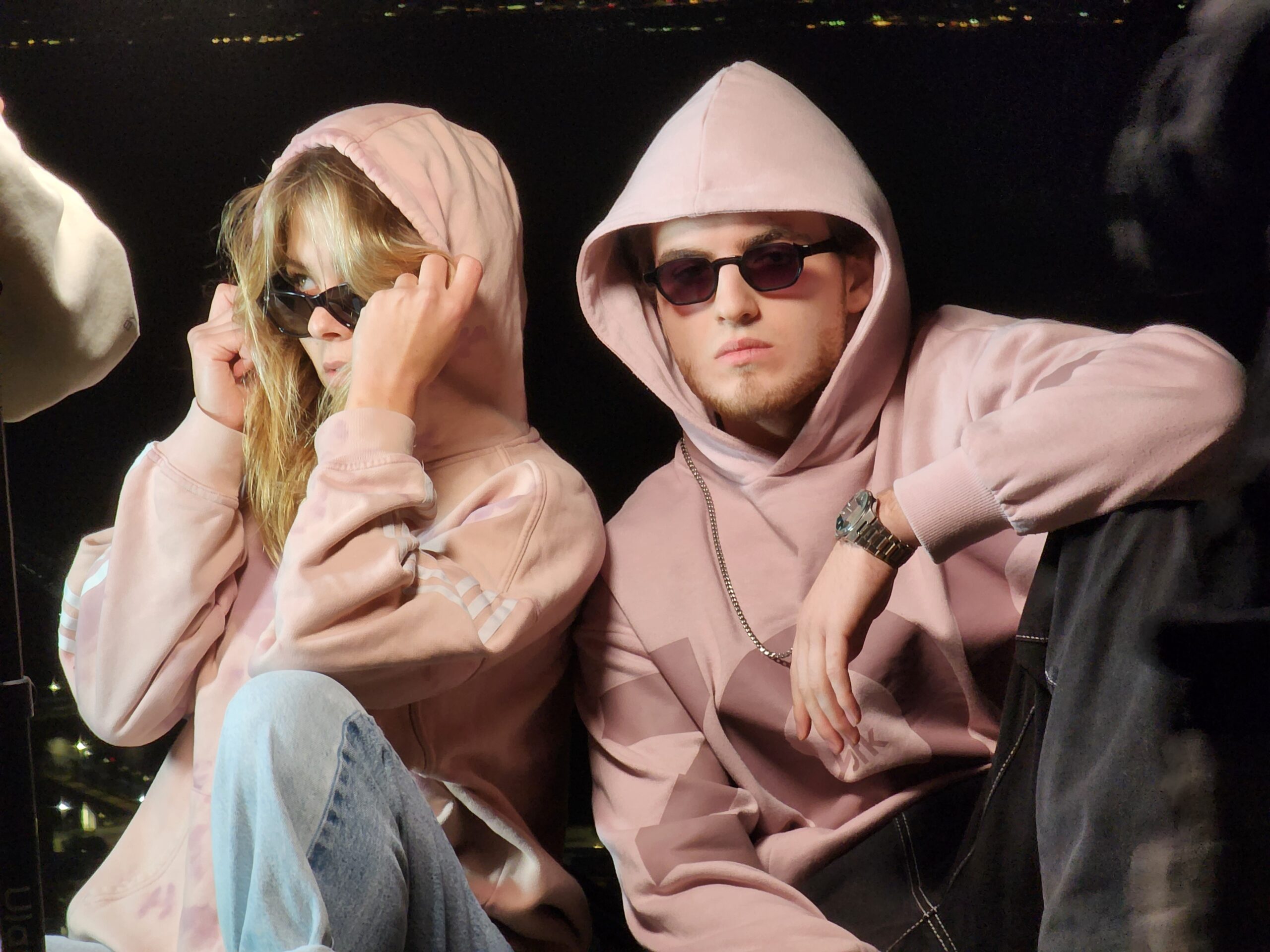
Fashion photography slipped into a strange, fascinating niche over the past decade, almost without announcing itself, where the photographer no longer waits for a brand brief, a seasonal lookbook, or a PR-approved moodboard. Instead, the photographer works for an influencer—or, more radically, becomes the influencer—using the street as both runway and studio, and style as a long-term narrative rather than a campaign deliverable. It’s subtle at first glance. The images look spontaneous, maybe even accidental: a coat caught mid-swing at a crosswalk, boots half-lit by a storefront at night, a face turning away just as the light hits the cheekbone.
read more
Travel Photography, Cartier-Bresson Style, With a Canon R100 and a TTArtisan 50mm f/1.2
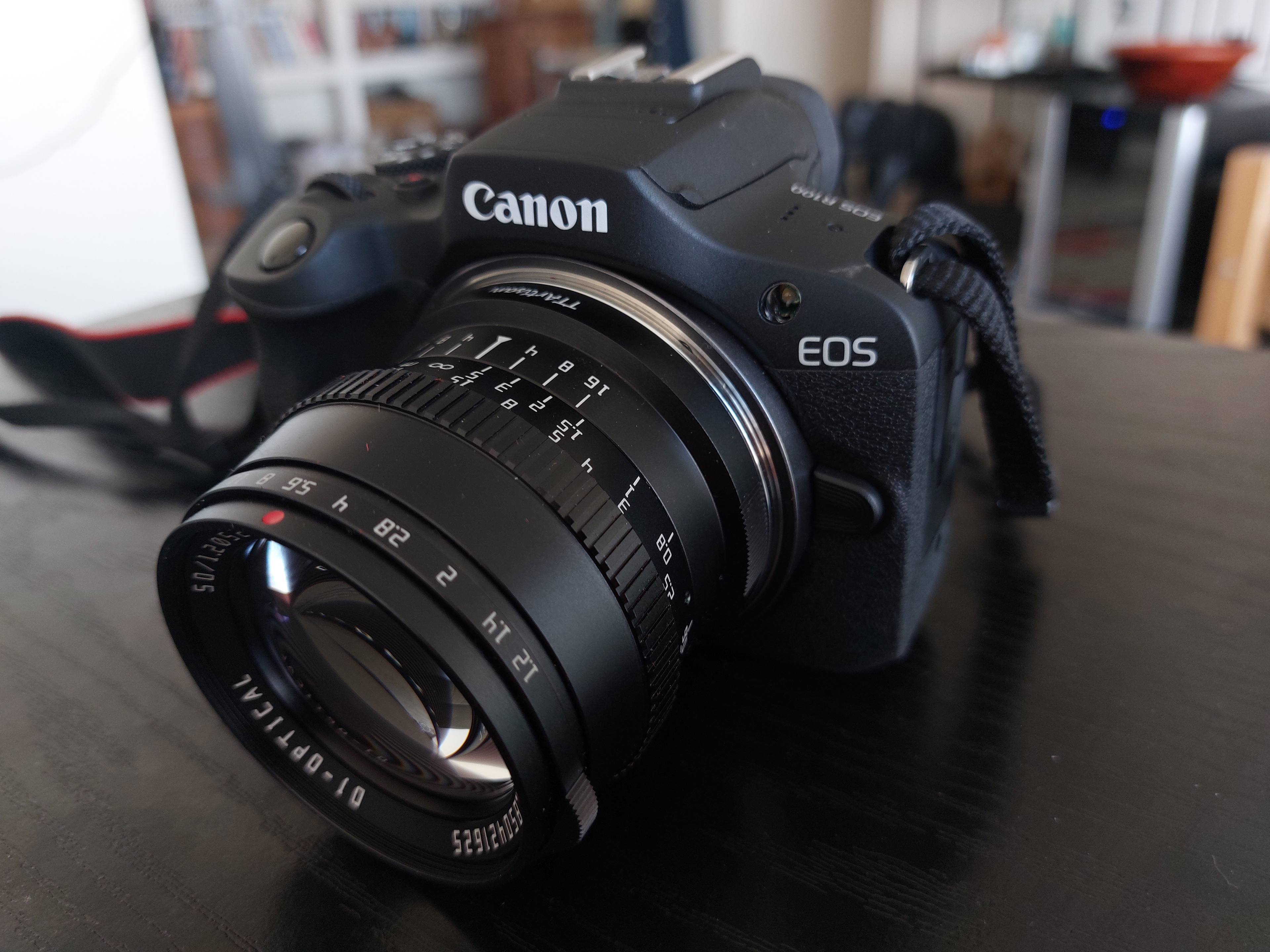
Most people don’t think of a Canon R100 and a cheap Chinese manual 50mm as a setup worth discussing in the same breath as Henri Cartier-Bresson. But standing in front of this tiny camera, the absurdly fast TTArtisan lens flaring a little at the edges like a half-remembered summer glare, you suddenly realise something: Bresson didn’t care about gear the way the internet does. He cared about reaction time, about intent, about walking the streets ready to trip a shutter at the exact moment life blinked.
read more
Leica Expands Its M-Lens Lineup with New Safari Editions and a Classic Glossy Black Variant
Leica’s latest announcement rolls in with that familiar mix of craftsmanship and quiet swagger the brand has earned over a century, and honestly, it’s hard not to pause over these new variants a little longer than planned. The company is adding four fresh takes on its iconic M-Lenses, three of them stepping confidently into the coveted olive-green Safari finish and one wrapped in that glossy black paint that Leica collectors treat almost like a living material.
read more
Sony Alpha 7 V Launch: A Quick Take
Sony finally pulled the curtain on the Alpha 7 V, the fifth generation of its hugely popular full-frame mirrorless line. The headliner here is a new partially stacked 33MP Exmor RS sensor paired with the updated BIONZ XR2 processor and onboard AI unit, which together push autofocus, tracking, color accuracy, and overall responsiveness to a level that feels like a serious leap—not just a mild refresh.
The autofocus system gets a noticeable boost with faster recognition, better tracking coverage across the frame, more reliable low-light performance, and blackout-free shooting up to 30fps with AF/AE tracking.
read more
High ISO Is the New Normal
The funny part is that this shift toward high ISO confidence didn’t happen purely because camera companies sprinkled magic dust on their sensors. There’s a whole invisible layer humming inside the machine, and it’s made of the same ideas driving everything from self-driving cars to phone face recognition. Tiny specialized processors now sit alongside the usual sensor pipeline. Some call them AI accelerators or neural cores or image signal processors with “deep learning enhancement,” but the names hardly matter.
read more
A Lens That Hunts for Stories
There’s a certain kind of photography that demands you go a little slower, lean in closer, almost like you’re trying to hear the world whisper. Building a blog around themes like this can give it more gravity, something that pulls readers along rather than just asking them to scroll. One theme that works beautifully is photographing the way light behaves. Not any dramatic sunsets or staged studio beams, but the tiny, almost accidental things: the amber reflection off a café window at 4 p.
read more
How to Buy a Used Camera and Lens Without Getting Scammed
How to Buy a Used Camera and Lens Without Getting Scammed
Buying a used camera and lens feels a bit like stepping into someone else’s visual memory. The gear you hold has already seen streets you haven’t walked, skies you haven’t stood under, and moments you’ll never know. But it’s also a transaction where sentiment has to stay behind the technical checks, because the used market has both genuinely good deals and the kind of deals that only pretend to be good.
read more
Microseries Photography: Small Stories, Quiet Worlds
There’s something deeply appealing about the idea of telling a story that doesn’t shout. A microseries in photography is exactly that: a small, self-contained set of images bound not by scale or grand theme, but by intimacy. Think of it as a whisper where most visual storytelling tries to be a speech. A microseries can be as short as three photos or as long as nine, but the key is that every image belongs to the same small emotional space.
read more