About
Pho.tography.org is a curated digital space dedicated to the artistry, techniques, and creative possibilities within photography. We exist to inspire both emerging and seasoned photographers to delve deeper into their craft, refine their skills, and view the world from perspectives that reward attention. Here, every photograph tells a story, captures a moment, or conveys a feeling that transcends words. Our platform is built to support the photographic journey in its entirety — from the mechanics of exposure and optics to the harder discipline of personal expression — celebrating the balance of light, composition, and deliberate seeing.
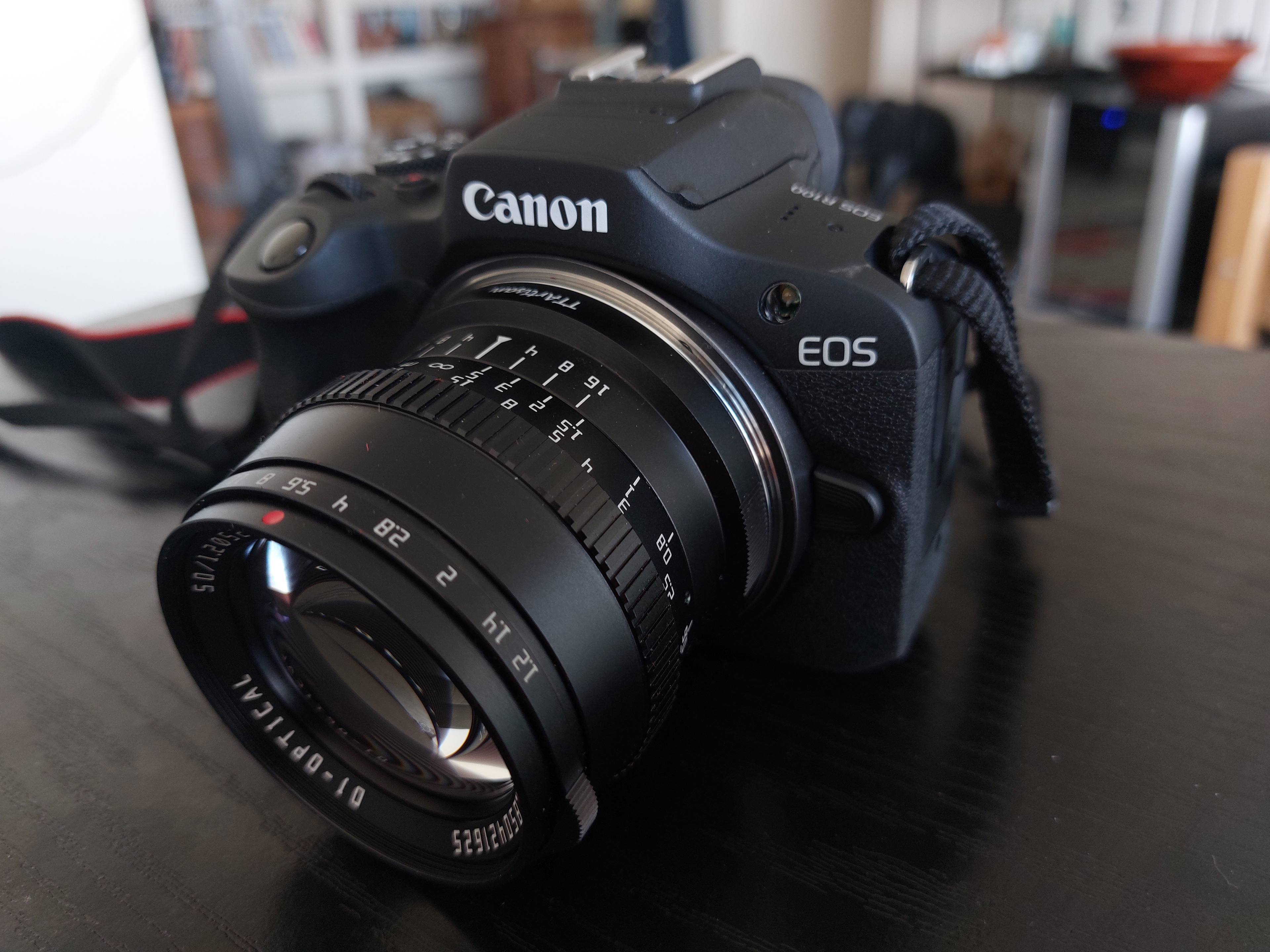
Photography is not a passive pursuit. It demands engagement with the physical world, an understanding of how light behaves, and the patience to wait for a frame that justifies the shutter press. We treat these demands seriously, and our editorial approach reflects that seriousness — whether we’re breaking down autofocus systems, evaluating a lens at its actual working apertures, or examining why a particular composition holds where a similar one collapses.
Our community at Pho.tography.org is united by a passion for learning, exploring, and sharing photographic insight without pretense. With an array of tutorials, in-depth articles, and working knowledge drawn from actual practice, we provide resources that speak to every level of experience — from photographers navigating their first camera to those who have long since found their visual language and are still refining it. We believe in a supportive environment where photographers connect, learn, and are challenged by each other’s work, building a growing archive of shared knowledge and visual stories that outlast any single trend or gear cycle.
Our mission is to close the distance between the technical and the expressive — to make the mechanical legible so that the creative can be pursued without friction. We invite you to join this ongoing conversation: to capture, create, and connect within a community that takes photography seriously as both craft and art form.
Photography on a Budget: More Frame, Less Spend
One of our deepest commitments at Pho.tography.org is the belief that access to expensive equipment has never been the determining factor in strong photography. The history of the medium proves it repeatedly — decisive images made on consumer film, landmark street work shot on fixed lenses that cost less than a dinner out, documentary bodies of work produced on gear that the market had already written off. We are drawn to that tradition, and we build from it.
Photography on a budget is not a compromise position. It is a discipline that forces clarity. When you cannot reach for a faster lens or a body with better high-ISO performance, you solve problems differently — you move, you wait, you work with available light rather than against it. These are not workarounds. They are skills, and they are transferable to any kit at any price point.
Gear is where budget photography gets interesting. The used market is not a graveyard — it is an inventory of tools that performed seriously when they were current and continue to perform seriously now. A crop-sensor body from two generations ago, paired with a fast prime that the market has forgotten about, will produce files that hold up against anything shot at twice the price today. We know this because we test it. The gap between what the spec sheet says and what the image file delivers is often wider than manufacturers prefer to discuss, and usually in the buyer’s favor when the buyer is paying attention.
We have a particular affection for underappreciated lenses — the ones that never attracted a following large enough to drive prices up, but deliver optical character that their cost does nothing to predict. Certain Minolta glass. The sharper end of the Helios family. Soviet-era lenses built to tolerances that were tighter than their reputation suggests. Older Tamron and Vivitar third-party glass that competed with the primes of their era and now trades for a fraction of what comparable rendering costs in the modern market. Canon FD glass, cut loose when Canon moved to EF mount and never recovered its commercial value, despite producing images that don’t require apology. We cover these lenses with specificity — which focal lengths reward the hunt, which sample variation to watch for, and which adapter configurations unlock their best performance.
Adapters are central to how budget photography actually works in practice. Mounting a full-frame lens on a crop-sensor body is not merely an economy measure — it is a reach multiplier. A 50mm standard lens becomes a short portrait lens. An 85mm becomes a tighter portrait lens with working distance to spare. A 135mm becomes a reach that would cost significantly more to replicate natively. The field of view changes; the rendering characteristics of the original optic do not. That distinction matters, and it is one we return to regularly. Adapters for Canon EF, Nikon F, M42, Contax/Yashica, and Leica M mounts to modern mirrorless bodies have matured to the point where electronic communication, autofocus pass-through, and EXIF retention are no longer exotic — they are standard features at sensible prices. We cover the adapter ecosystem with the same directness we bring to lenses themselves: which manufacturers produce mounts that hold tolerances, which combinations introduce focus shift, and where the optical correction elements in some adapters help rather than hurt.
Vintage lenses occupy a category of their own. The rendering qualities that were once considered technical limitations — the way certain older optics handle out-of-focus areas, render specular highlights, or transition from sharp to soft at wide apertures — are now actively sought. This is not nostalgia. It is a recognition that modern optical design optimizes for measurable performance metrics that do not always correspond to what makes a photograph interesting to look at. A vintage lens with controlled flare characteristics, a specific bokeh signature, or a slightly lower contrast baseline can produce images with more visual texture than a clinically corrected modern equivalent. We examine these qualities without sentimentality and without the overclaiming that tends to follow certain cult lenses around the internet.
Second-hand bodies receive the same treatment. We look at what a camera from three or four product generations ago actually delivers — dynamic range, high-ISO behavior, autofocus reliability, weather sealing where it matters — and compare it against what that body costs in the current used market. The depreciation curves on camera bodies are steep in the early years and flatten considerably once a model loses its headline status. That flatness is where value lives. Buying a body two years after its replacement was announced often means acquiring something that was genuinely capable at its launch price for a fraction of that price, with the real-world reliability record already established by the photographers who owned it first.
We cover tips and techniques that compound the value of affordable gear: how to maximize sharpness from a lens that performs unevenly at wide apertures by understanding its optimal stop; how to use focus peaking and zebra patterns on modern mirrorless bodies to extract accurate manual focus from lenses designed decades before autofocus existed; how to expose to preserve shadow detail on sensors with strong dynamic range; and how post-processing decisions made at capture — not in software — determine how much latitude a budget raw file actually contains.
At Pho.tography.org, doing more with less is not a beginner’s section. It is a permanent editorial commitment. The best photograph you can make is the one you make with what you have, understood fully and used well. The gear that gets you there does not need to be expensive. It needs to be chosen with knowledge, maintained with care, and operated with intention.