The Photographer as the Brand: Fashion, Influence, and the Quiet Power Shift
Fashion photography slipped into a strange, fascinating niche over the past decade, almost without announcing itself, where the photographer no longer waits for a brand brief, a seasonal lookbook, or a PR-approved moodboard. Instead, the photographer works for an influencer—or, more radically, becomes the influencer—using the street as both runway and studio, and style as a long-term narrative rather than a campaign deliverable. It’s subtle at first glance. The images look spontaneous, maybe even accidental: a coat caught mid-swing at a crosswalk, boots half-lit by a storefront at night, a face turning away just as the light hits the cheekbone. Yet behind that looseness is a very deliberate position in the ecosystem. The photographer is not selling clothes; they are selling taste, orientation, a way of seeing. Brands eventually orbit that gravity, not the other way around, and when they do, they adapt to the photographer’s visual language instead of dictating it. That reversal is the entire point, and once you see it, you can’t unsee it.
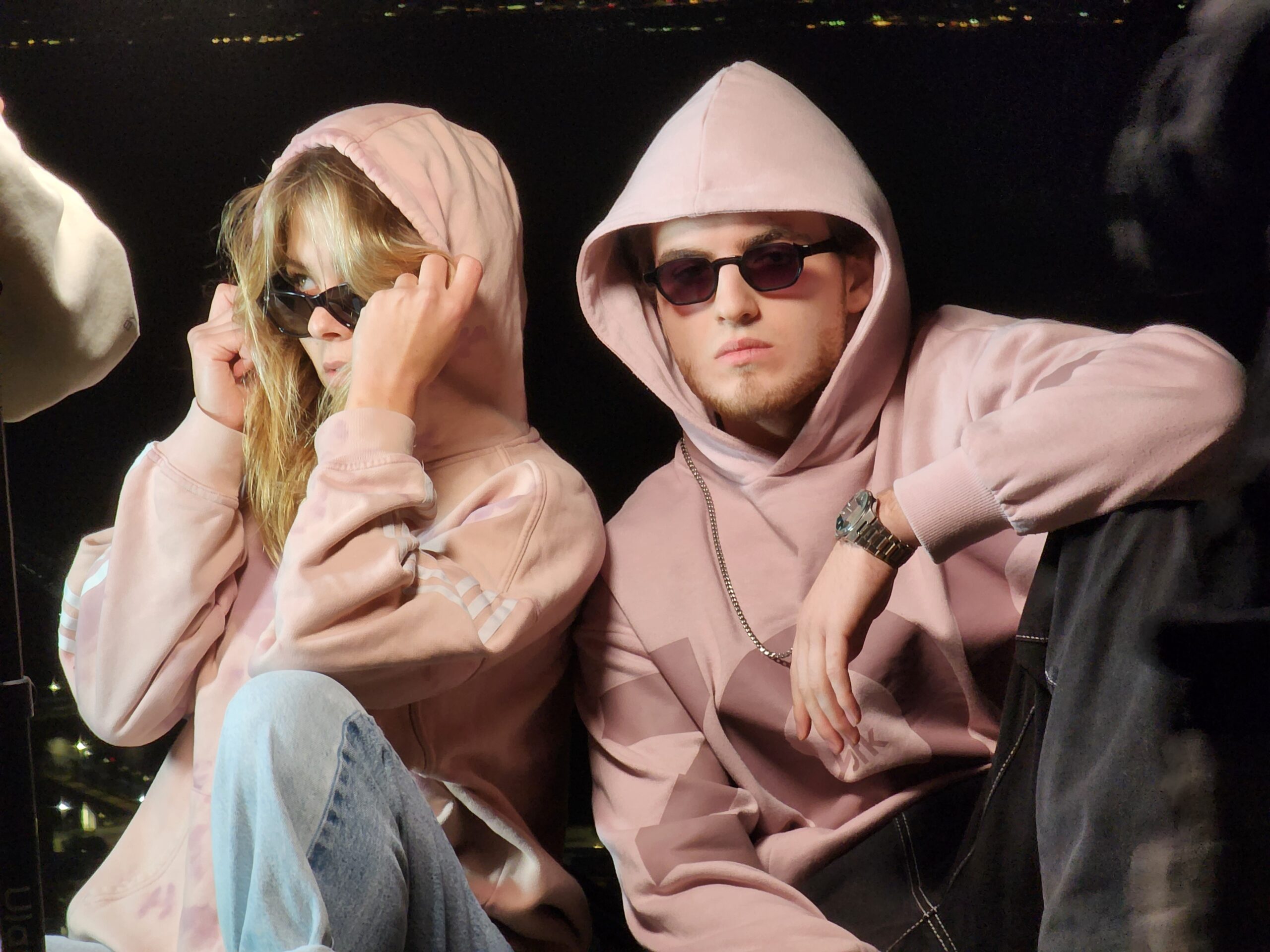
Street photography is the natural backbone of this niche because it carries cultural credibility that studios can’t fake. The street implies risk, timing, weather, pedestrians, noise, missed shots. It implies that style exists in real life, under bad lighting and imperfect conditions, which makes it far more persuasive to an audience raised on feeds that punish anything smelling too much like an ad. The photographer working in this space doesn’t chase trends aggressively; they track them sideways, noticing how silhouettes migrate from subculture to mainstream, how proportions loosen or tighten over months, how colors start appearing first as accidents and only later as “must-haves.” Shooting becomes a form of field research. You photograph people who already live the style, or people who are unconsciously inventing it, not models pretending to understand it for half an hour. Sometimes the subject is a known influencer with a following; sometimes it’s someone with zero online presence but an instinctive sense of dress that feels three months ahead of the curve. The audience doesn’t always know the difference, and that ambiguity is part of the appeal.
What to shoot in this niche is less about garments and more about systems. You’re looking for consistency across chaos: how someone always rolls their sleeves the same way, how a certain kind of sneaker keeps appearing with wildly different outfits, how oversized coats change posture and movement in public space. Details matter, but not as product close-ups. Hands in pockets, scuffed shoes, sunglasses pushed up into hair, fabric reacting to wind—these are cues that communicate authenticity faster than logos ever could. Faces are important, but anonymity can be equally powerful. Cropping just below the eyes or shooting from behind can turn a person into a symbol of a style rather than a personality, which is useful when the photographer wants to remain the primary voice shaping the narrative. When the photographer is the influencer, their feed becomes a curated city, a continuous visual essay where every image talks to the previous one, even if it was shot weeks apart in a different neighborhood.
How to shoot is where the craft quietly separates the amateurs from the serious operators. Light is rarely ideal, so you learn to love bad light and bend it. Sodium street lamps, mixed temperatures from shop windows, reflections off wet pavement—all of it becomes part of the signature. Flash is used sparingly, often off-axis or dialed down just enough to lift a subject without killing the ambient mood. Motion blur is not a mistake; it’s a stylistic choice that signals presence and speed, the feeling that the photographer is embedded in the flow of the city rather than standing outside it. Depth of field tends to be shallow but not creamy, isolating subjects while still letting the environment speak. The best images feel like fragments of a larger walk, as if the viewer could step out of the frame and continue down the street.
Gear choices in this niche are revealing, not because they’re exotic, but because they’re pragmatic. Cameras that disappear in the hand matter more than resolution charts. Silent shutters, fast autofocus in low light, good high-ISO behavior—these traits enable proximity without intrusion. Lenses hover around classic street focal lengths, but with personality: a slightly imperfect 35mm that flares when provoked, a compact 50mm that forces distance and observation, occasionally a short telephoto used to compress space and pull gestures out of the crowd. Many photographers intentionally stick to one or two lenses for years, building muscle memory and visual coherence. Film still plays a role, not as nostalgia, but as pacing. Slower shooting changes the way you see, and grain introduces a forgiving texture that aligns well with street fashion’s rejection of polish. Digital shooters often mimic that restraint, limiting burst rates and color palettes to avoid visual noise.
Models, in the traditional sense, are optional here, and when they appear, they behave differently. The influencer-photographer relationship is closer to collaboration than direction. The subject brings a fully formed personal style, sometimes even a small audience of their own, and the photographer offers context, framing, and continuity. Posing is minimal, often reduced to walking, standing, leaning, waiting. The goal isn’t to extract a performance but to document a presence. When the photographer is also the influencer, the “model” might simply be the photographer themselves, reflected in windows, caught in shadows, or shown partially, reinforcing the idea that the image-maker is also part of the style ecosystem they’re documenting. That self-inclusion, done subtly, builds authority without shouting for attention.
What makes this niche powerful is its slow burn economics. Growth doesn’t spike overnight; it accumulates. Followers come for the images but stay for the worldview. Over time, brands notice that a certain jacket sells better when it appears in this photographer’s feed, even though it’s never labeled or praised explicitly. Collaborations emerge that look suspiciously like personal projects, because the photographer refuses to break their visual rules. The audience trusts that refusal. In a landscape saturated with overt influence, restraint becomes the loudest signal. This is fashion photography not as service work, but as authorship—less about seasonal relevance, more about long-term cultural memory. The photographer becomes a node in the fashion system, not a subcontractor, shaping taste by walking, watching, and pressing the shutter at exactly the right half-second. And honestly, that half-second is the whole game.