Choosing Reach Over Speed: Why I Picked the Canon RF 100–400mm f/5.6–8 IS USM for Real-World Photography
Lens choices always feel like small philosophical statements about how you actually shoot versus how you imagine yourself shooting, and this one took me longer than expected. On paper, the Canon EF 200mm f/2.8L II USM is seductive in all the classic ways: fast, elegant, optically pure, the kind of lens that whispers “serious photographer” the moment you mount it. I considered it for a while, imagined the creamy backgrounds, the clean subject isolation, the timeless look. But then I thought about conferences, travel days, streets, airports, long walks, awkward shooting angles, and the simple truth that photography happens while you’re moving, not while you’re admiring specs.
I don’t want to be that guy.
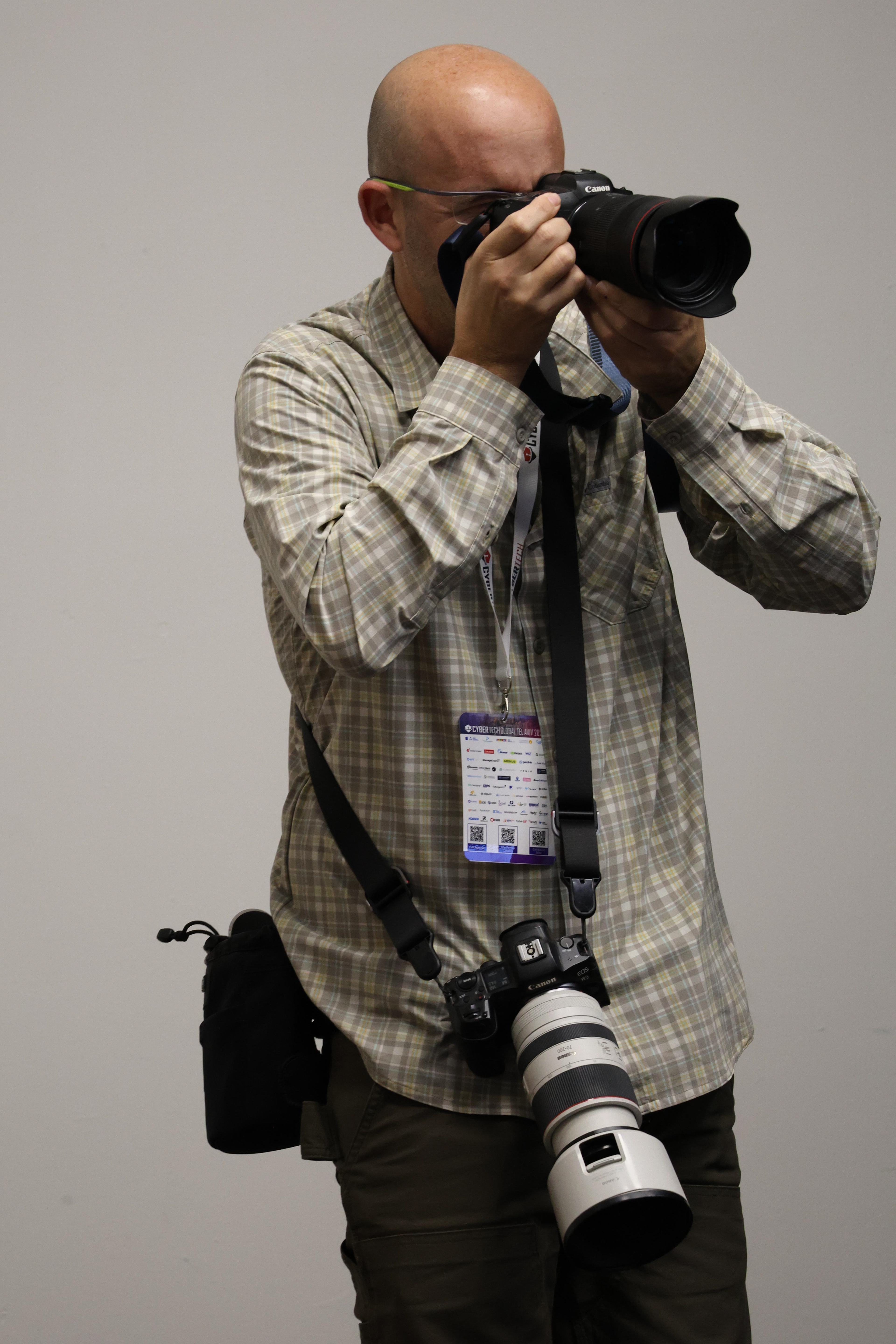
What finally tipped the balance was honesty about how I actually work. Conferences are chaotic, speakers move, light changes, security guards glare at you, and you don’t always get to choose where you stand. Travel photography is even less predictable, and street photography is basically improvisation disguised as intent. In all those situations, the Canon RF 100–400mm f/5.6–8 IS USM just makes more sense. The zoom range alone feels like cheating sometimes. One moment I’m compressing a scene at 400mm, the next I’m pulling back to 100mm to show context without swapping lenses or missing the moment. That flexibility changes how you see, how you react, how quickly you shoot.
The stabilization ended up mattering more than aperture in real life. Indoor conference halls, evening streets, shaded alleys, museums where flash is forbidden — IS plus a modern sensor quietly saves images that a faster lens would still lose if you’re tired, rushed, or slightly off-balance. And the weight difference, about 200 grams compared to the EF 200mm with an adapter, doesn’t sound dramatic until you carry it all day. Then it’s everything. Your shoulders feel it, your patience feels it, and your willingness to keep shooting feels it. The RF lens stays lighter, less bulky, and more discreet, especially when not fully extended, which matters a lot in street environments where attention is the enemy of authenticity.
Yes, I gave up background separation. Yes, I gave up the speed and the romance of f/2.8. But what I gained is consistency, reach, and freedom. The kind of freedom that lets you keep the camera in your hand longer, react faster, and come home with images instead of excuses. This lens doesn’t beg for admiration, and that’s exactly why it works. It disappears, and when a lens disappears, photography gets better.