How I Covered Cybertech 2026 with a Canon R8, One Wide Lens, One Long Lens, and a Lot of Walking
Cybertech 2026 was one of those events that immediately tells you how you need to work the moment you step inside. The entrance hall alone was already buzzing, people clustering in small circles, badges swinging, phones out, last-minute messages being checked before heading into the exhibition and main stage. That first image I shot, the one with the big Cybertech Global Tel Aviv 2026 sign hanging above the crowd, is basically the whole story in one frame: movement, anticipation, business, nerves, and just a hint of chaos. You can see the mix of suits and smart casual, people leaning in to show something on a phone, others already scanning the room for who they need to talk to next. The light is harsh and overhead, bouncing off polished floors, and there’s no time to wait for perfect moments because everything is happening at once, all the time.
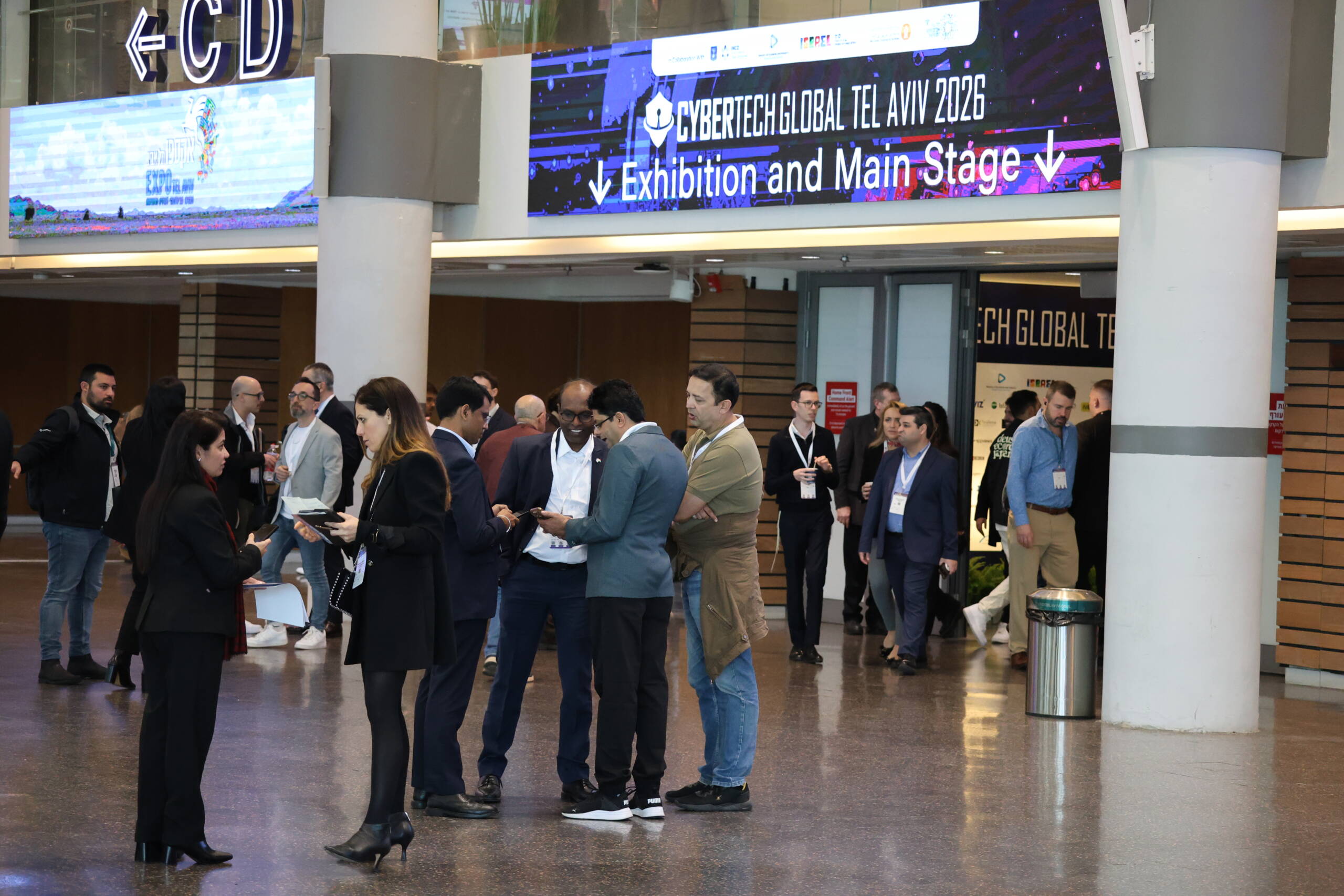
I covered the entire event with the Canon R8 and just two lenses: the Canon RF 16mm f/2.8 STM and the Canon RF 100–400mm f/5.6–8 IS USM, and honestly this combo felt almost unfairly efficient. The 16mm lived on the camera for entrances, halls, wide context shots, and those moments when you want to show scale — the architecture, the signage, the density of people flowing in multiple directions. With this lens, I could stand right in the middle of the hall, slightly step back, and let the frame breathe. The wide perspective exaggerates the height of columns, stretches the banners, and gives that sense of a big, international event even when you’re just a few meters from the door. It’s not a subtle lens, and that’s exactly why it works for conferences like this — it tells the story loudly, without asking permission.
Then there’s the 100–400mm, which is the real secret weapon for conferences if you’re willing to accept its slower aperture. Most of the time, I was shooting people who didn’t even notice me: small negotiations forming, spontaneous meetings, expressions changing mid-sentence. From across the hall, I could isolate groups like the one in the image — four people forming a temporary island of focus in a sea of movement — without stepping into their space or breaking the moment. Image stabilization on this lens is doing serious work here, because light at conferences is never friendly, and yet the R8’s sensor holds up beautifully. You lose background blur compared to faster lenses, sure, but you gain reach, flexibility, and the ability to stay invisible, which matters more when you’re documenting rather than posing.
What surprised me again is how little gear matters once you stop fighting the environment. The R8 is light, fast, and gets out of the way. Switching between the 16mm and the 100–400mm felt like switching mental modes: wide lens for atmosphere and flow, long lens for human stories and quiet interactions. I walked a lot, probably too much, doubled back, circled halls, waited in corners, and shot from behind columns just to keep moments intact. By the end of the day, the camera felt like part of my hand, and that’s when you know the setup is right. No bag full of lenses, no indecision, no second-guessing — just two perspectives and the discipline to use them well.
Cybertech is about systems, threats, resilience, and technology that operates at scale, but the photography is always about people. That’s what these two lenses let me do: show the scale with one, and the human micro-drama with the other. Everything else is noise.