Why Street Photography Refuses to Fade Away
Street photography keeps coming back, even in an era where everyone already has a camera in their pocket. Maybe that’s exactly why it refuses to disappear. The more images flood the world, the more valuable the ones that feel real become. Not staged, not curated, not filtered into oblivion—just a moment that happened once and never again. That tiny slice of time, caught between intention and accident, is the whole point.
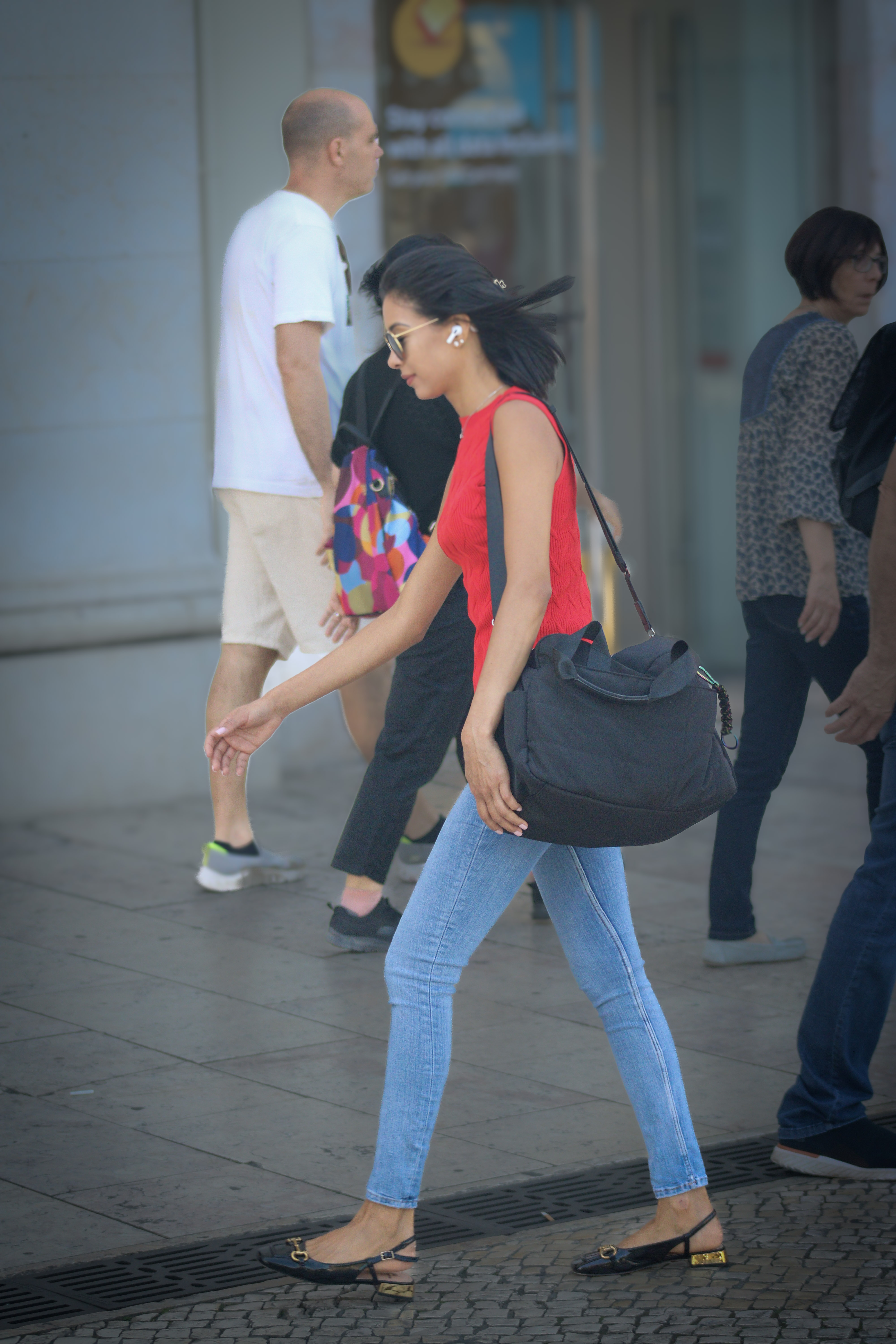
At its core, street photography isn’t really about streets. It’s about friction—between people, between movement and stillness, between anonymity and presence. A glance between strangers, a shadow cutting across a face, a hand gesture that lasts half a second and then dissolves into the crowd. These are things you can’t script, and that unpredictability gives the genre its edge. You go out without a guarantee of anything, and somehow that’s the appeal.
There’s also this quiet rebellion baked into it. In a world increasingly obsessed with control—planned shoots, perfect lighting, algorithm-friendly compositions—street photography leans the other way. It accepts imperfection. Harsh light, missed focus, awkward framing… sometimes those are exactly what make the image work. You’re not polishing reality, you’re intercepting it mid-flight.
And then there’s the human element. Street photography is one of the last forms of visual storytelling where the subject doesn’t know they’re part of the story. That changes everything. Expressions aren’t performed. Movements aren’t adjusted for the lens. What you get is closer to observation than creation, like you’re collecting evidence rather than producing content. It’s almost journalistic, but looser, more instinctive.
Oddly enough, it’s also deeply personal. Two photographers can stand on the same corner and come away with completely different images, each shaped by what they notice, what they ignore, what they’re drawn to. One sees geometry, another sees emotion. One waits for symmetry, another chases chaos. The city doesn’t change, but the way it’s seen does.
And maybe that’s why it sticks around. Street photography isn’t just documenting the world—it’s documenting how we move through it. It’s a mirror, but a slightly distorted one, catching things we usually miss because we’re too busy getting somewhere. You slow down, even if just a little, and suddenly the ordinary starts behaving strangely… or beautifully… or both at once.
So yeah, it’s still a thing. Not because it’s trendy, but because it taps into something stubbornly human—the urge to notice, to frame, to say: this mattered, even if only for a fraction of a second.
- street photography
- urban photography
- candid photography
- documentary photography
- photography culture
- city life
- visual storytelling
- photography inspiration