The European City as the Carrier of the Identity
Pick up a camera and walk a European city for an afternoon. Not a tourist circuit — just walk. Find a market square in the middle of the week, a café terrace at eleven in the morning, a boulevard at the hour when school lets out. Pay attention to what the camera wants.
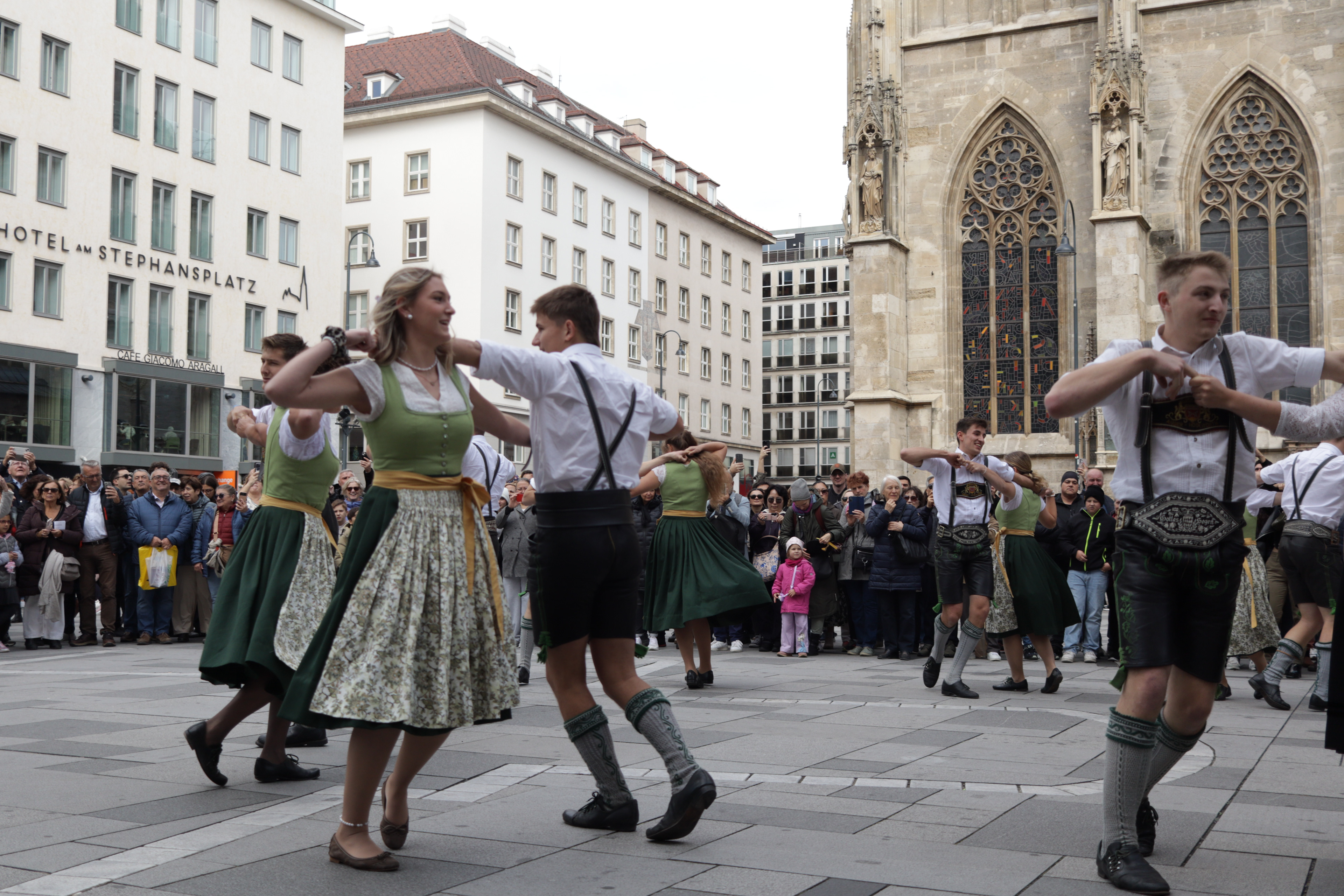
What it wants, almost immediately, is people in shared space doing nothing in particular. Not performing, not consuming, not commuting. Just existing in public. An old man reading at a table that extends six inches past the threshold of a bar. Two women talking on a stoop that has probably hosted that conversation for three hundred years. A child running across a piazza that has no function except to be crossed, sat in, and inhabited.
This is not picturesque accident. It is the product of a specific physical logic. The European city was built — from the medieval commune forward — on the assumption that public space is where citizens meet as citizens. The piazza, the market square, the mixed-use street, the square anchored by a fountain or a tree or simply by proportions that invite sitting: these are not decorations. They are infrastructure. They encode a way of being social that reproduces itself daily without anyone naming it.
For photographers, this is both a gift and a discipline. The European street gives you light falling across layered facades, human figures against centuries of accumulated stone, the geometry of arcades and iron chairs and shadow lines that would make any frame work. But the photographs that matter are the ones that catch what the space is actually doing — the social transaction happening in it, the specific quality of unhurried public life that distinguishes a Venetian campo from a shopping atrium engineered to look like one.
That distinction is worth paying attention to, because it is not guaranteed. What has degraded European identity — where it has been degraded — is not cultural change. Cities have absorbed waves of newcomers throughout their history and become visually and socially richer for it. What degrades it is the same force that hollows out urbanism everywhere: land speculation that prices out the bar and the market stall, car infrastructure that breaks the pedestrian logic of the street, the retreat of public investment from shared space. When a European city gentrifies into a museum or sprawls into generic suburban development, it loses the physical conditions in which the street photograph becomes possible. The light is still there. The people are not, or they are, but doing something else, in a space that gives them nothing to do together.
The walkable European city is also, incidentally, one of the most photographed environments on earth. There is a reason for that beyond tourism. The compressed scale, the mix of uses, the quality of the light, the density of human presence in public — all of it creates constant, renewable photographic material. The street is always working. Something is always happening that was not staged for you.
Shoot it before it becomes a backdrop.