Event Portraiture: How to Find and Shoot Candid Faces in a Crowd
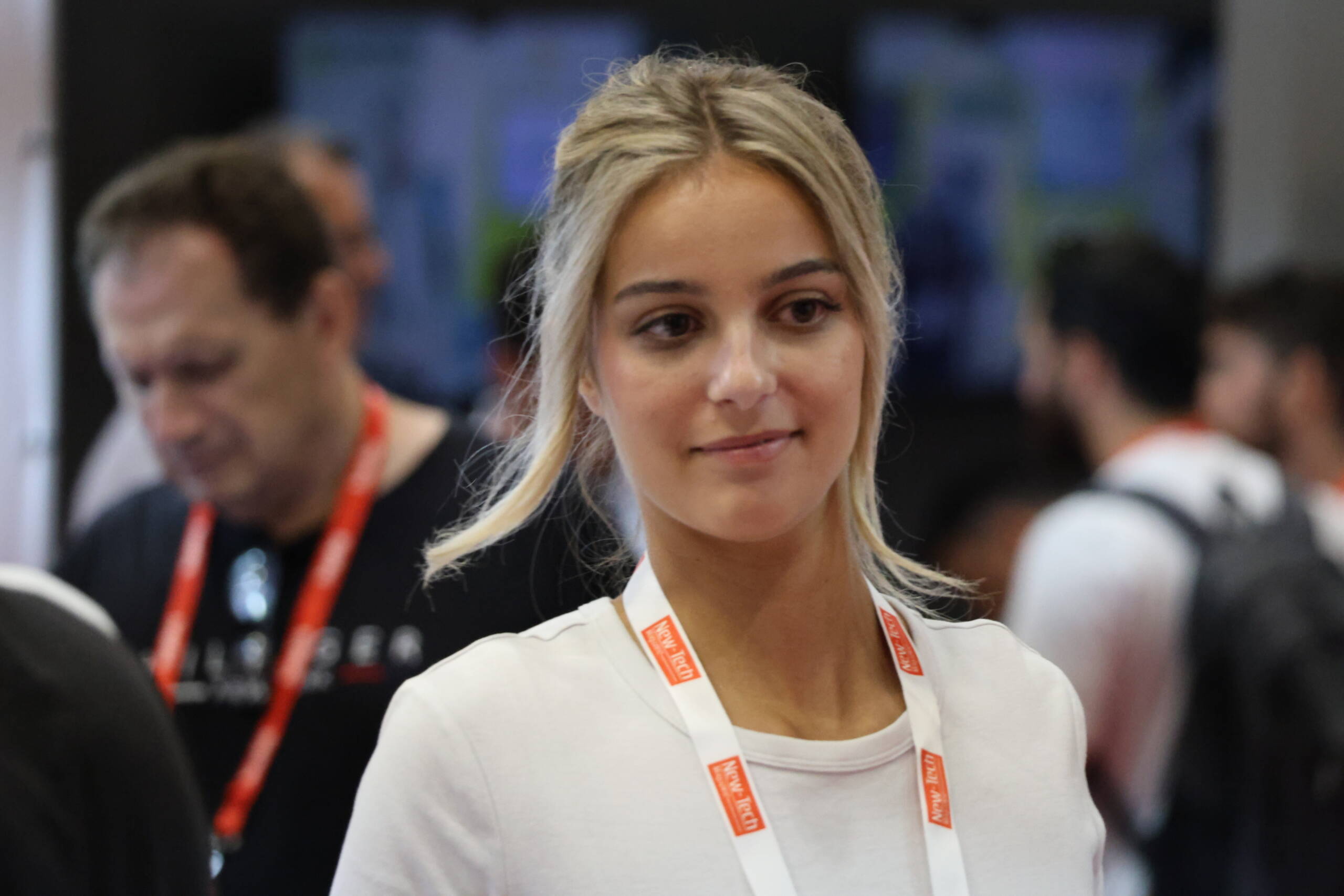
Some of the strongest portraits at a trade show or conference are never posed. They happen in the half-second when someone glances toward the light, or pauses mid-thought while the crowd blurs past behind them. Event portraiture is really about being ready for that moment rather than manufacturing it.
Why Candid Beats Posed at Events
Posed portraits at a booth or step-and-repeat tend to look interchangeable — same lighting, same smile, same backdrop. A candid caught in the flow of the event carries the atmosphere of the place with it: the lanyards, the blurred signage, the energy of people moving in the background. That context is what makes an event gallery feel alive instead of like a lineup of headshots.
Technique
Shoot wide open. A fast aperture (f/1.8–f/2.8) isolates the subject from a busy background and turns distracting signage and crowds into soft color and light. It also lets you work in the dim, mixed lighting typical of convention halls.
Use a longer focal length. Something in the 85–135mm range compresses the background and lets you work at a comfortable distance without the subject feeling photographed. It also flatters facial features far better than a wide angle would at close range.
Focus on the eyes, always. With a shallow depth of field, the margin for error is small. Single-point autofocus locked on the near eye is far more reliable than letting the camera guess across a crowded frame.
Watch the light, not just the subject. Conference halls often have pockets of directional light — spill from a video wall, a shaft from an overhead fixture. Position yourself so that light falls across the face rather than shooting into flat, even ambient light.
Anticipate, don’t chase. Chasing a moment after you’ve spotted it usually means you’re too late. Instead, pick a spot with good light and background separation, and wait for someone to walk into it.
Editing Notes
Keep post-processing light. A slight lift in shadows and a touch of contrast usually does more for a candid than heavy retouching, which can fight against the unposed feel that makes the shot work in the first place. Skin tones should stay natural — event lighting already skews warm or cool depending on the venue, so a quick white balance correction is often the only real fix needed.