Below you will find pages that utilize the taxonomy term “composition”
Posts
Telephoto Compression Is Not a Lens Property
Compression is one of the most misunderstood effects in photography, routinely attributed to the lens when it belongs entirely to the photographer’s position in space.
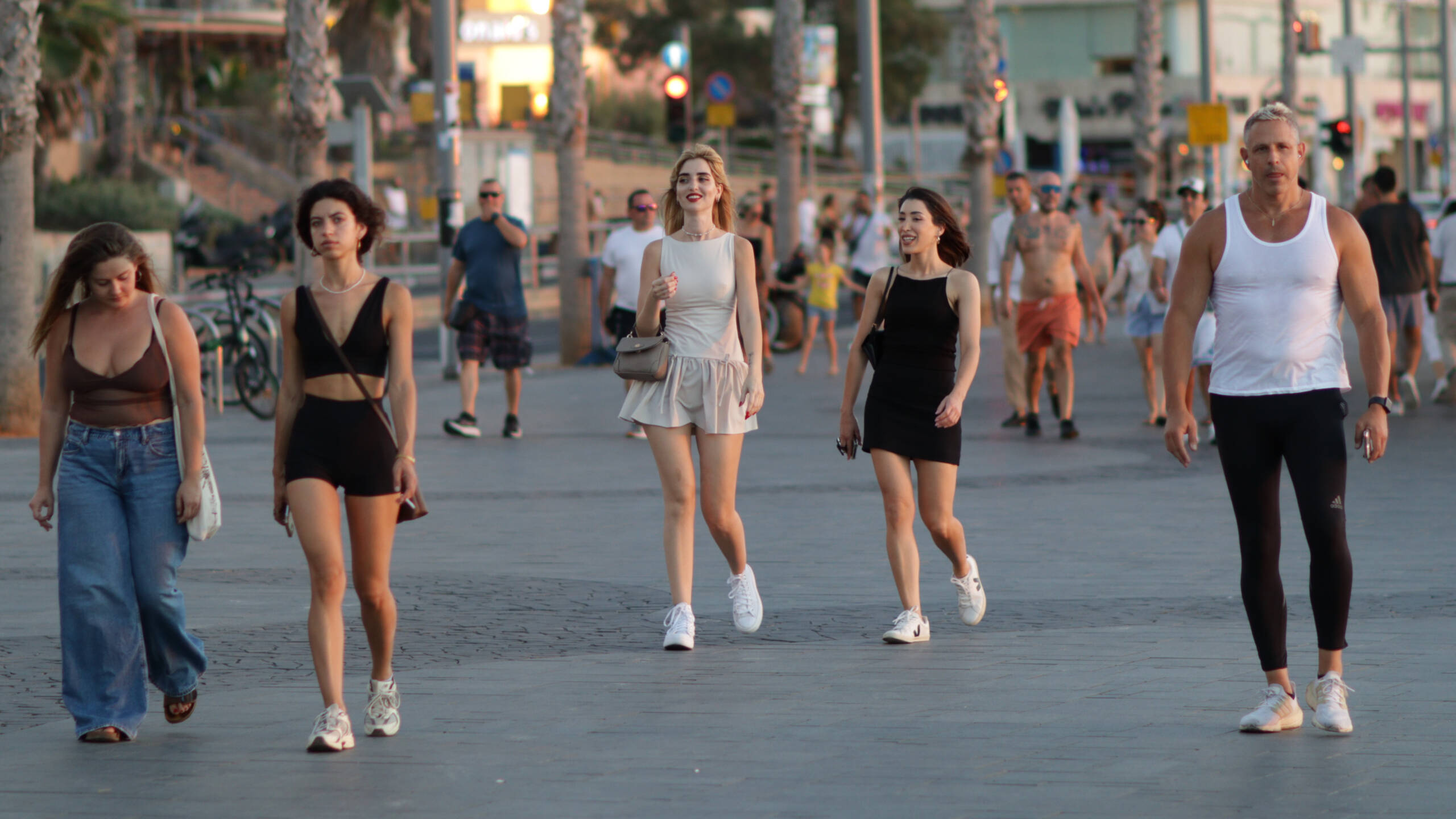
The phenomenon is straightforward. Stand close to a person with a mountain behind them and the mountain reads as distant, because it is distant relative to where you are standing. The ratio between your distance to the foreground and your distance to the background is large, and the image reflects that gap honestly.
Posts
Vignetting as Composition: RF 50mm f/1.2L Wide Open
The RF 50mm f/1.2L USM vignettes at f/1.2. This is not a defect to correct in post. Left uncorrected, it is a compositional tool that draws the eye toward the center of the frame and applies a graduated darkening to the corners. Canon’s in-camera lens correction and Lightroom’s lens profile will eliminate this automatically if you let them. You should consider not letting them.
Optical vignetting at the maximum aperture of a large-diameter lens is a physical consequence of the geometry: light arriving at the sensor from the edges at oblique angles is partially blocked by the lens barrel.
Posts
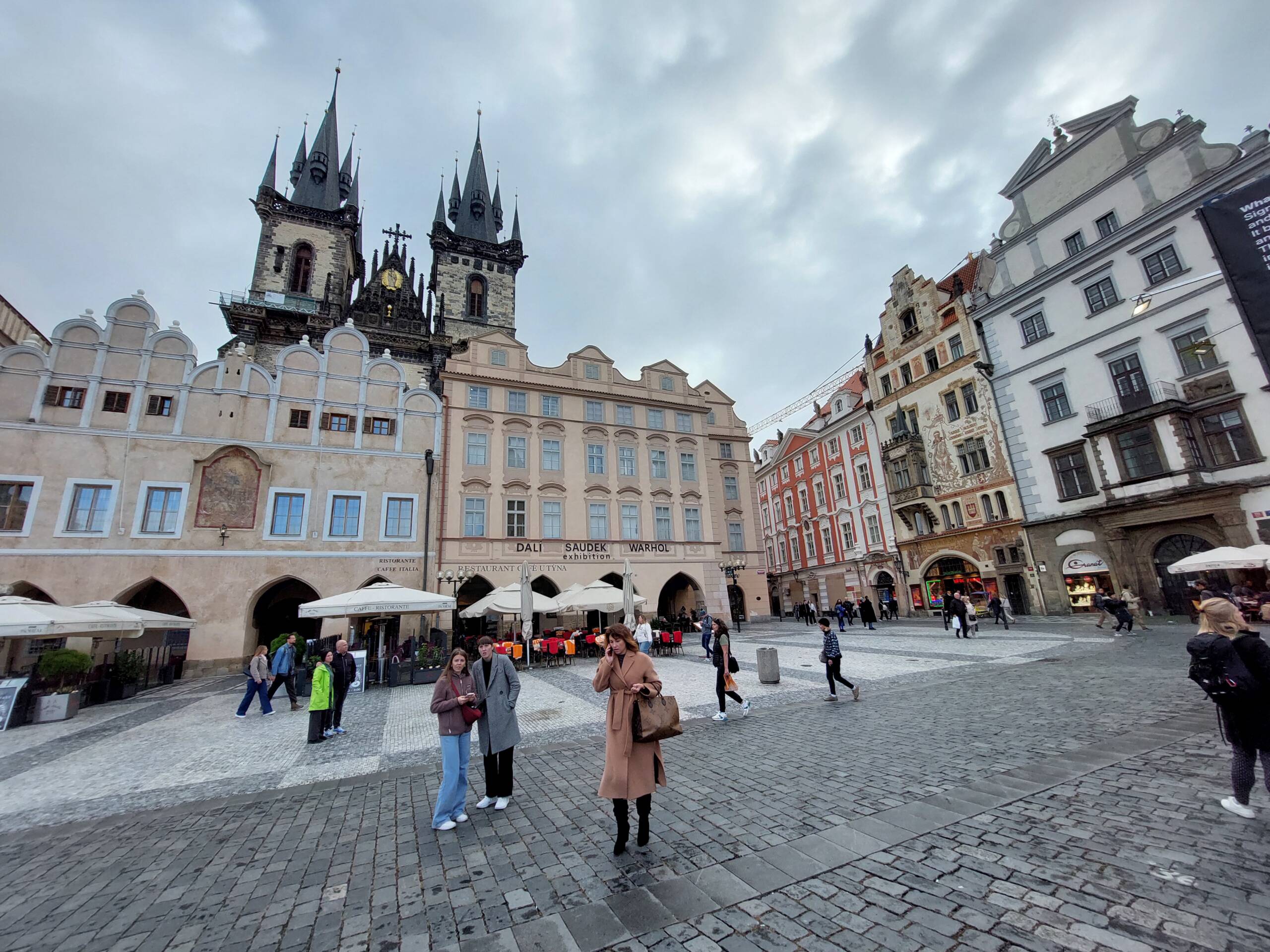
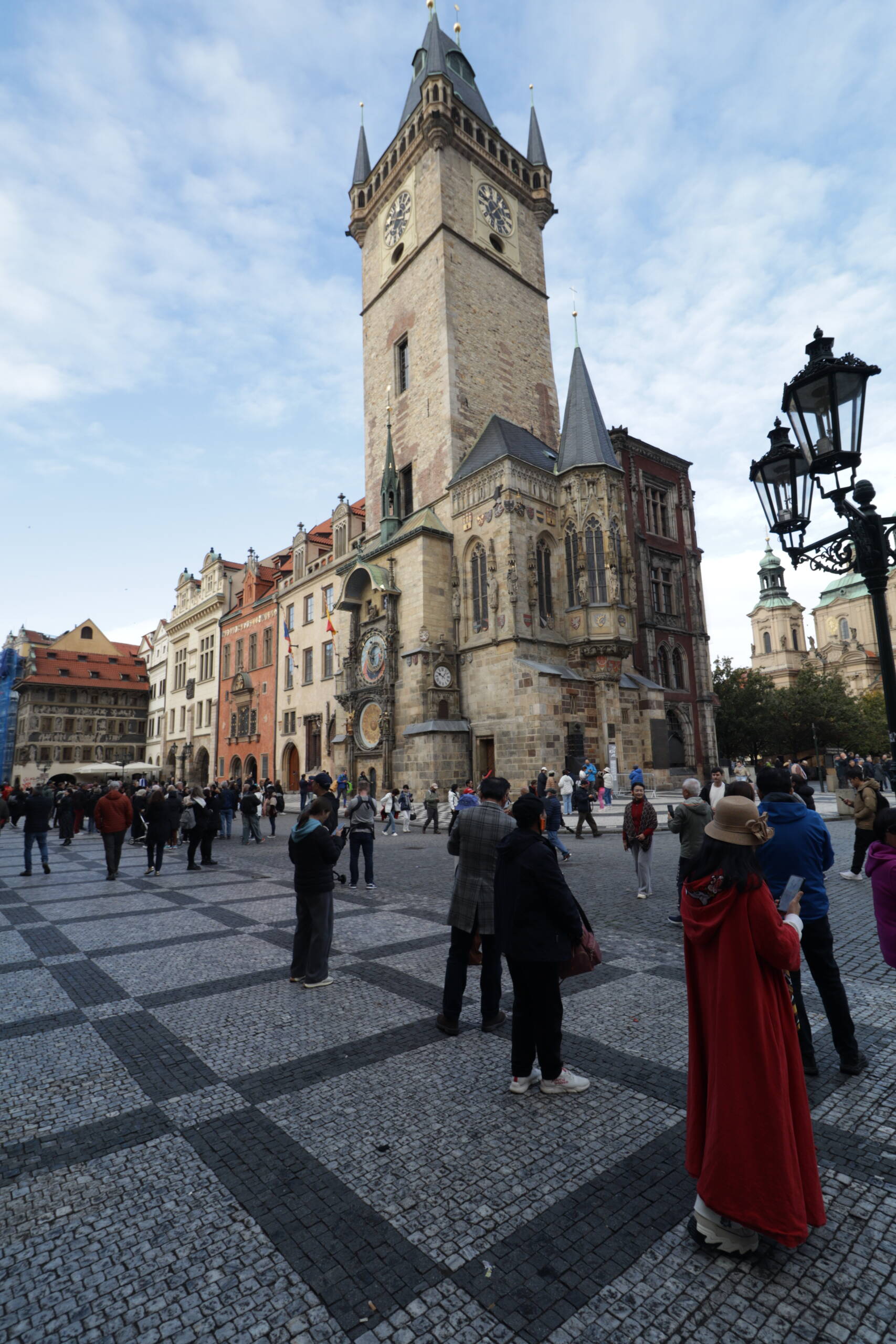
Bending Marienplatz: Fisheye Compression in a Crowded Square
Fisheye lenses punish hesitation. Point one at the wrong moment in the wrong place and you get a novelty gimmick — curved horizon, bloated foreground, everything looking simultaneously too close and too far. The effect announces itself before the subject does, and once a viewer’s eye catches the distortion, the distortion is all they see. This is the trap most photographers walk into with ultra-wide glass: the lens becomes the photograph.
Posts
Shooting Against the Sun
There’s a rule they teach early in photography classes, usually delivered with the confidence of someone who has never broken it: keep the sun at your back. The logic is clean. Light falls on your subject. Your subject is properly exposed. Everyone goes home happy. It’s the kind of advice that produces technically correct photographs — evenly lit, well-exposed, and almost entirely forgettable.
The image I made in Kraków’s Rynek Główny on a bright autumn afternoon broke that rule completely.
Posts
Reading the Scene Before Pressing the Shutter
This is the kind of place where photography becomes less about hunting and more about listening, and you feel it the moment you step onto the rock. The surface is slick, uneven, reflective in small unpredictable patches, forcing you to slow your stance, and that physical hesitation feeds directly into how you see. The light is flat, overcast, almost blank, but not empty — it’s soft enough to erase harsh edges and pull everything into the same quiet tone, which means composition suddenly matters more than light itself.
Posts
The Quiet Negotiation Between Light, Time, and a Staircase
Photography is often described as freezing a moment, but that’s a polite lie we tell ourselves to make the craft feel manageable. Nothing is frozen. Every photograph is a negotiation, sometimes gentle, sometimes tense, between light that has already left its source and time that is already slipping away. By the time the shutter closes, the moment is gone, slightly bent, slightly dishonest, and that is exactly why the image matters.