Why Lens Repair Costs So Much
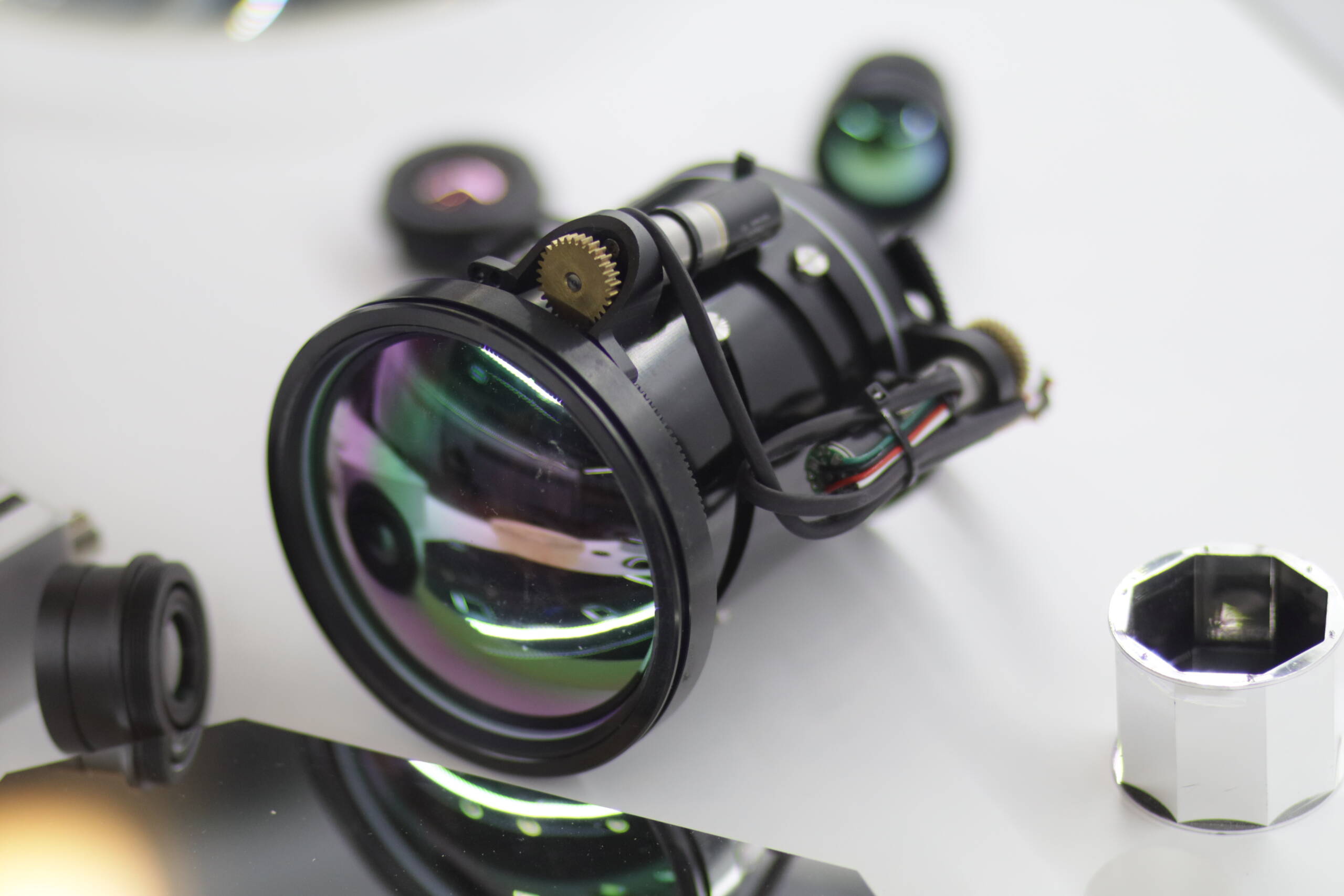
Crack open a modern zoom lens and the sticker shock on a repair quote starts to make sense. Inside the barrel: multiple optical groups suspended on helicoids, a geared focus or zoom-drive assembly, a small motor, and a nest of wiring running to electronic contacts. None of it is built to be casually taken apart, and that’s exactly the point.
The parts you never see
The front element’s purple-green iridescence isn’t decorative — it’s multi-layer anti-reflective coating, applied in a vacuum deposition process to suppress flare and ghosting. Damage or improperly clean that coating during a repair and the lens’s optical performance changes permanently. Behind it, focus and zoom are driven by geared mechanisms tied to small motors (USM, STM, or linear designs depending on the brand), synchronized with electronic contacts that report focus distance and aperture position back to the camera body.
None of this is off-the-shelf. High-end lenses from brands like Canon, Nikon, Sony, and Leica tend to cost more to repair because of the complexity of their construction and the price of replacement parts, and parts are usually proprietary — sourced from the manufacturer rather than a generic supplier.
Why the labor bill adds up
Repair shops don’t charge for parts alone. Auto-focus system repairs typically run $200 to $450 depending on lens complexity and brand, while fixing internal electronics or image stabilization can run $250 to $500 — reflecting the disassembly and precision realignment required, not just a part swap. Repair facilities routinely charge a non-refundable bench or estimate fee before any work begins, because diagnosing a problem inside a sealed optical assembly takes real technician time even before a fix is scoped.
Water or dust intrusion is often the costliest category, since it can require a full teardown and recalibration of every element group rather than a single part replacement.
The repair-or-replace math
For any lens with real market value, the calculation usually comes down to three things: how the repair cost compares to a replacement lens, how much the lens is still worth after repair, and how often it’s actually used. A workhorse lens is almost always worth fixing. A lens near end-of-life, less so.
The wiring, gears, and coated glass in a teardown shot like this one are a good reminder of why: what looks like a simple metal tube is closer to a small, purpose-built machine.